

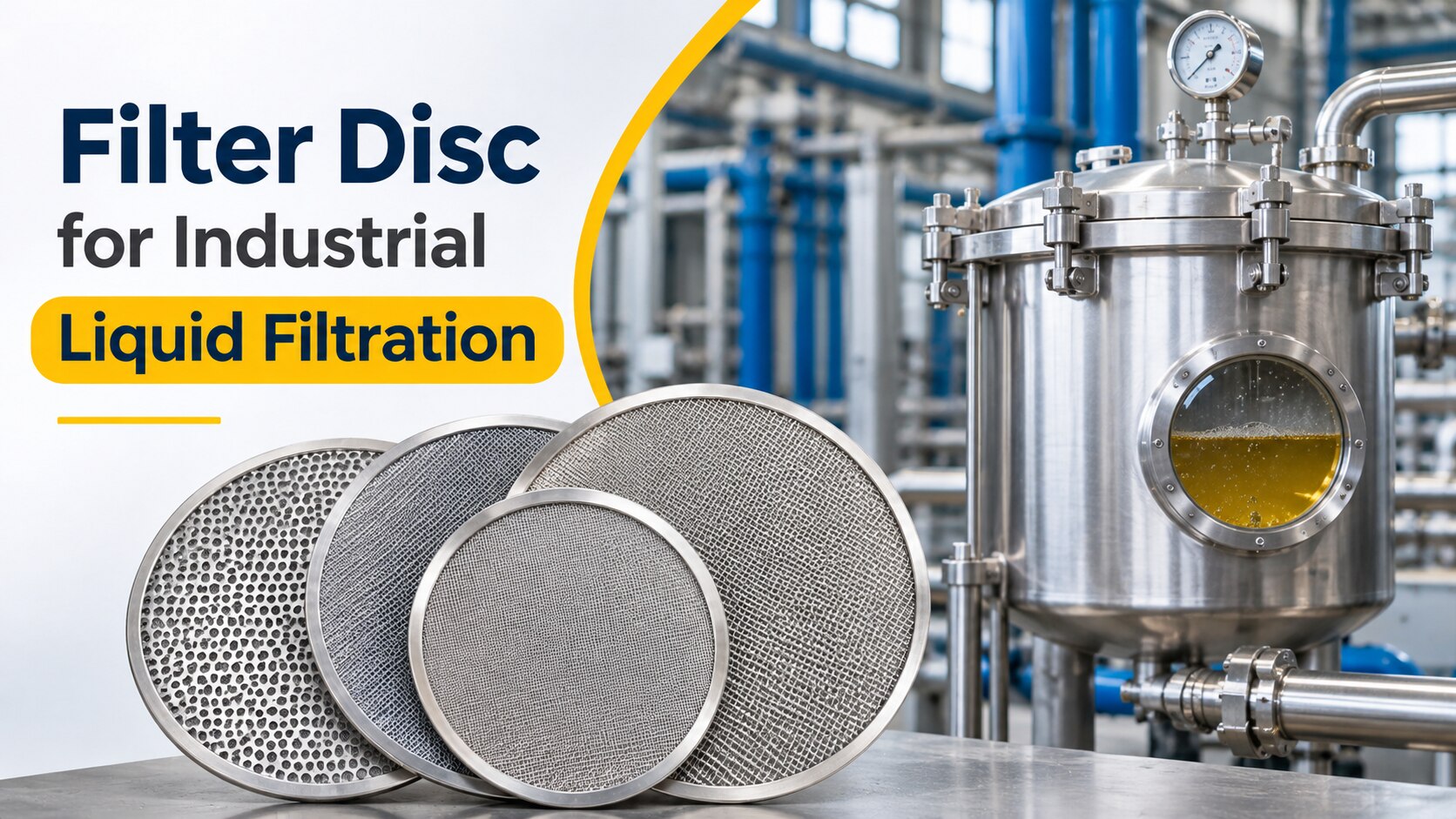
There is no universally best filter disc for Mumbai plants: the correct choice depends on liquid chemistry, solids loading, target particle size, pressure, temperature, flow and cleaning method. By the end, you can compare disc constructions, define a specification for separation equipment and identify when a bag, cartridge, candle, leaf or wedge-wire filter is the better choice.
Key takeaways
- Match disc material to liquid chemistry and operating temperature.
- Specify micron rating with test method, thickness and open area.
- Use a retaining screen and gasket to prevent bypass during installation.
- Send flow rate, pressure, temperature and drawings for a custom disc quote.
How do you choose a filter disc for the process conditions?
Choose the disc from the liquid and separation duty, not disc diameter. Record:
- Viscosity at operating temperature
- Suspended-solids concentration and particle shape
- Target cut point, flow rate and operating pressure
- Maximum allowable differential pressure
- Batch or continuous operation
Viscous liquids need more open area and lower face velocity because pressure drop rises with viscosity. Abrasive solids need stronger mesh or support; fibres, gels and emulsions can blind fine openings quickly. Hot service requires confirmed temperature limits for the metal, edge construction and gasket.
For water-based liquid with moderate solids and no aggressive chemistry, SS316L woven wire is a defensible starting point. Choose SS316 or SS316L over SS304 when chlorides are present, but concentrated or stagnant chlorides can still cause pitting.
| Process condition | Practical starting choice | Main trade-off |
|---|---|---|
| Coarse screening, low pressure drop | Perforated plate | Large, nonuniform openings |
| General liquid filtration | SS316L woven wire | Cleanable, but can blind |
| Fine retention or high mechanical load | Dutch-weave or supported multilayer disc | Higher pressure drop and harder cleaning |
Define clean pressure drop, normal operating pressure drop and maximum allowable differential pressure. Resistance increases as solids form a cake. Batch operation can tolerate manual cleaning; continuous service may require duplex housings, backwashing or automatic screen changing.
Industrial filter disc benefits depend on this process review. It answers which filter disc is best for industrial filtration in Mumbai more reliably than location alone.
Which filter disc type balances fineness, strength and cleanability?
A plain square-weave single-layer disc offers high open area and low pressure drop for coarse-to-medium retention, but it has less structural reserve than a supported or multilayer disc. Compare filter disc types by the compromise between fineness, strength and cleanability.
| Construction | Main advantage | Main drawback |
|---|---|---|
| Square-weave | Open flow and easier cleaning | Lower strength than supported media |
| Multilayer woven | Stronger; protects a fine filtering layer | Less open area; solids are harder to remove |
| Dutch-weave | Fine, uniform openings and high mechanical strength | Higher pressure drop and harder cleaning |
| Sintered metal | Rigid fixed pores, high collapse strength, repeated backwashing | Higher cost and initial pressure drop; particles embed deeply |
| Perforated plate | Low pressure drop and high strength for coarse screening or support | Large, nonuniform holes do not replace fine woven mesh |
| Framed disc | Easier handling and sealing | Requires compatible housing space |
| Unframed disc | Fits holders with perimeter support | Depends on the holder for sealing and rigidity |
Spot-welded edges and laminated constructions resist layer movement, wire unravelling and bypass. Inspect welds for blocked flow paths, crevices and contamination before approving a disc for separation equipment. Sintered edges also need checking when repeated backwash, ultrasonic cleaning, chemical cleaning or high-pressure spray cleaning is planned.
Choose a supported square weave for moderate retention and easier washing; choose Dutch weave or multilayer sintered media when finer retention or collapse resistance justifies higher pressure drop. Disc diameter alone does not determine capacity: open area, layer count, viscosity and solids loading control service life.
How should micron rating and disc dimensions be specified?
A micron number is not comparable until you know how it was measured. Ask whether the rating is nominal or absolute, then request the test method, test contaminant, flow rate and terminal pressure drop.
| Rating | Meaning | Main limitation |
|---|---|---|
| Nominal | Application-dependent retention estimate | A significant share of particles near or above the stated size can pass |
| Absolute | Rating tied to a defined test method and pass/fail criterion | It remains valid only for the stated test conditions |
| Bubble point | Verifies the largest effective opening and detects defects | It does not predict separation of deformable, oily, fibrous or agglomerating solids in every liquid |
Specify the micron opening with mesh count, wire diameter, weave, disc thickness and permeability or clean pressure drop. Mesh count alone is incomplete: two meshes with the same count can have different openings when their wire diameters differ. These details determine the industrial filter disc benefits you actually receive, including retention, flow and cleanability.
For a filter disc for separation equipment, provide:
- Outside diameter, inside diameter or central hole, thickness and tolerances
- Gasket land, sealing edge, edge treatment and mounting pattern
- Available filtration area, flow direction and whether the disc must be removable
- Support-screen design and the maximum allowable differential pressure
Disc diameter alone does not determine capacity. Open area, layer count, viscosity, face velocity and solids loading control pressure drop and service life; specify clean, normal operating and change-out or backwash limits.
How do you install a disc without creating bypass or damaging it?
Match the disc to the equipment’s support and sealing arrangement before installation. In a pressure vessel or housing, orient the filtering face and support screen according to the specified flow direction. Unsupported fine mesh can collapse under differential pressure.
Set the gasket on its intended sealing land, keep it outside the active opening, and tighten the clamp evenly. The correct mesh rating cannot prevent bypass through a damaged gasket, oversized holder, warped disc, or unsealed edge.
Strainers often use a disc as a removable screen. Leaf and candle filters need a defined mounting pattern, support structure, and flow path through the filtering surface; filter presses need compatible plate grooves, gasket dimensions, and cloth or screen tension.
For a filter disc for separation equipment, specify the cleaning method before approving the edge construction. Backwash, ultrasonic treatment, chemical circulation, and high-pressure spray impose different stresses on folded, welded, laminated, or sintered edges. Check that welds do not block flow, retain product, or unravel during cleaning.
An industrial filter disc benefits from precise installation, but a disc is the wrong choice when solids loading is high, blinding is rapid, dirt-holding capacity must be large, flow is extremely high, or the medium is fragile.
| Option | Better choice when | Main trade-off |
|---|---|---|
| Bag or cartridge | Disposable depth capture | Higher consumable waste |
| Wedge-wire screen | Robust coarse screening | Limited fine-particle retention |
| Leaf or candle filter | Large area and cake formation | More complex mounting |
A perforated plate suits coarse, low-drop protection, not fine filtration. Demisters remove gas-carried droplets and cannot replace liquid-solid filter discs.
What should you send a Mumbai supplier before ordering a custom disc?
1. Send a dimensioned drawing or physical sample before requesting a quotation. Include outside and inside diameters, thickness, tolerances, central hole or mounting pattern, sealing-edge dimensions, edge finish, support arrangement, quantity and whether installation must be removable or fixed.
2. State the separation duty in writing: mesh or pore specification, nominal or absolute rating, material grade, clean and operating pressure drop, maximum differential pressure, flow rate, temperature, liquid composition, chloride or acid exposure, solids concentration, particle description and cleaning cycle.
There is no universal answer to which filter disc is best for industrial filtration in Mumbai; these values determine retention, service life and cleanability.
3. For food, pharmaceutical or hygienic service, add material traceability, surface-finish requirement, weld quality, passivation or electropolishing, gasket compatibility and the named product-contact rules. SS316L alone does not certify a complete assembly: 21 CFR 177.2600 covers certain rubber articles for repeated food contact, not the entire metal filter.
4. Ask for inspection records and, where relevant, bubble-point results or a process-liquid trial. For an aggressive liquid, fine cut point or repeated backwash cycle, confirm corrosion resistance, support design and test basis before approval. Laktas Wire Mesh Pvt.Ltd.
Mr. Pramod K. can be included when comparing custom filter disc in Mumbai suppliers, but judge the quotation against your written process specification, not catalogue terminology.
Related products
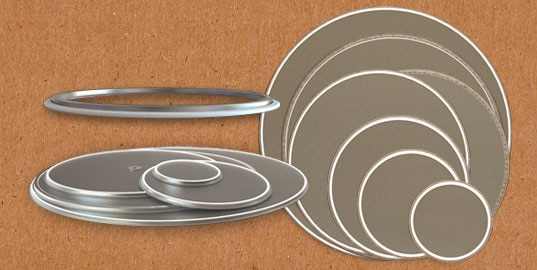 | ₹30 Micro filters discs are available in single and multiple layers with & without frame, multiple layers with spot welding. View product → |
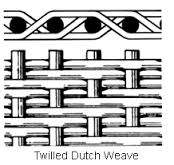 | ₹500 Manufacturer in Mumbai . Combines Dutch And Twill Weaving To Provide A Fine Mesh Filtering Cloth. View product → |
Frequently asked questions
How do you choose a filter disc for the process conditions?
Match the disc metal and construction to the liquid’s chemistry, temperature, pressure, viscosity, flow rate and contaminant load. Check corrosion resistance and pressure strength before selecting mesh fineness.
Which filter disc type balances fineness, strength and cleanability?
Plain woven wire mesh suits cleanable, general-purpose filtration. Twilled or Dutch weave provides finer retention, while sintered mesh offers a rigid, multilayer structure for demanding separation equipment. Compare retention, pressure drop, backwashing and cleaning method.
How should micron rating and disc dimensions be specified?
State the nominal or absolute micron rating, test method, wire diameter, mesh grade, thickness, disc diameter, tolerance, centre hole and edge finish. Include the required open area and flow direction when they affect performance.
How do you install a disc without creating bypass or damaging it?
Clean the seat, fit a compatible gasket, centre the disc and tighten the retaining ring evenly. Prevent wrinkles, unsupported spans and sharp contact points, then inspect the seal before pressurising the housing.
What should you send a Mumbai supplier before ordering a custom disc?
Send the liquid name and chemistry, operating temperature, pressure, flow rate, target micron rating, filter housing drawing, disc diameter, thickness, hole pattern, material preference, quantity and cleaning procedure.
Related product
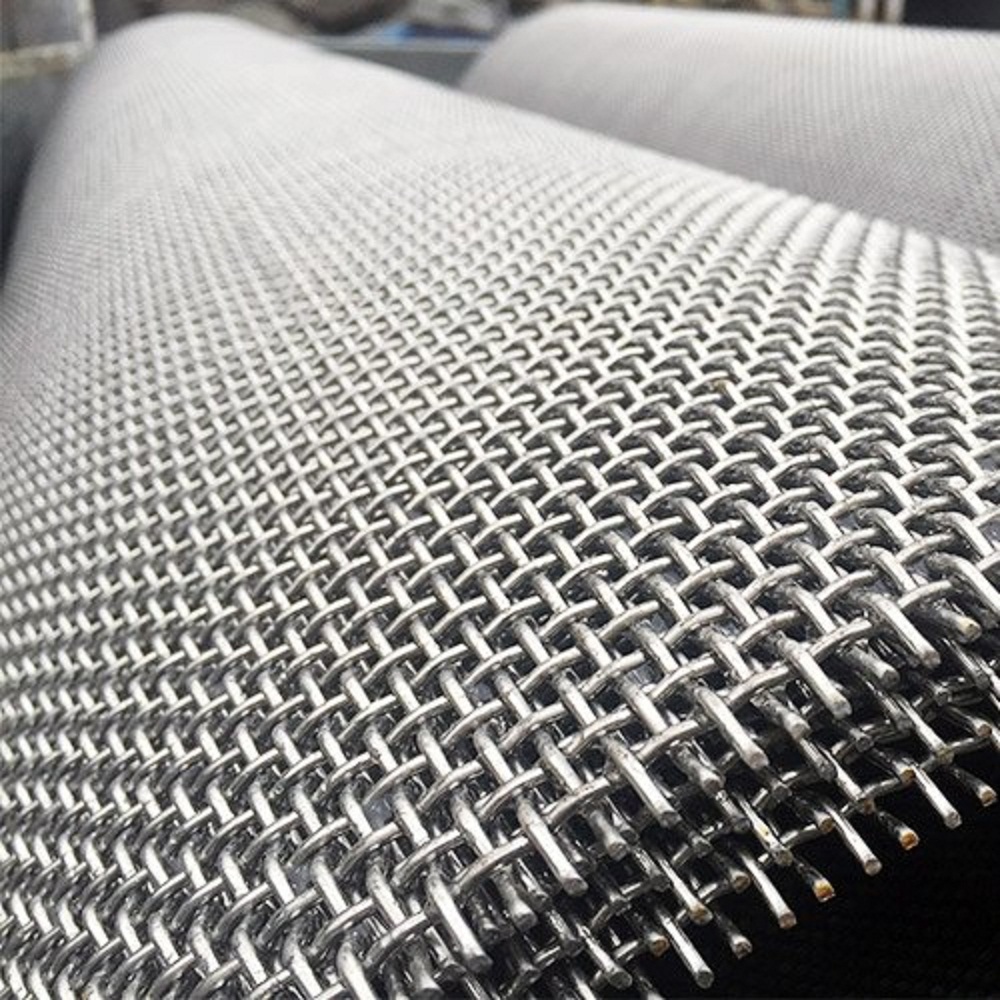 | Wire Mesh Laktas wire cloth is highly useful in filtration industries because it provides a reliable, durable, and customizable solution for separating solids... View product → |